Context
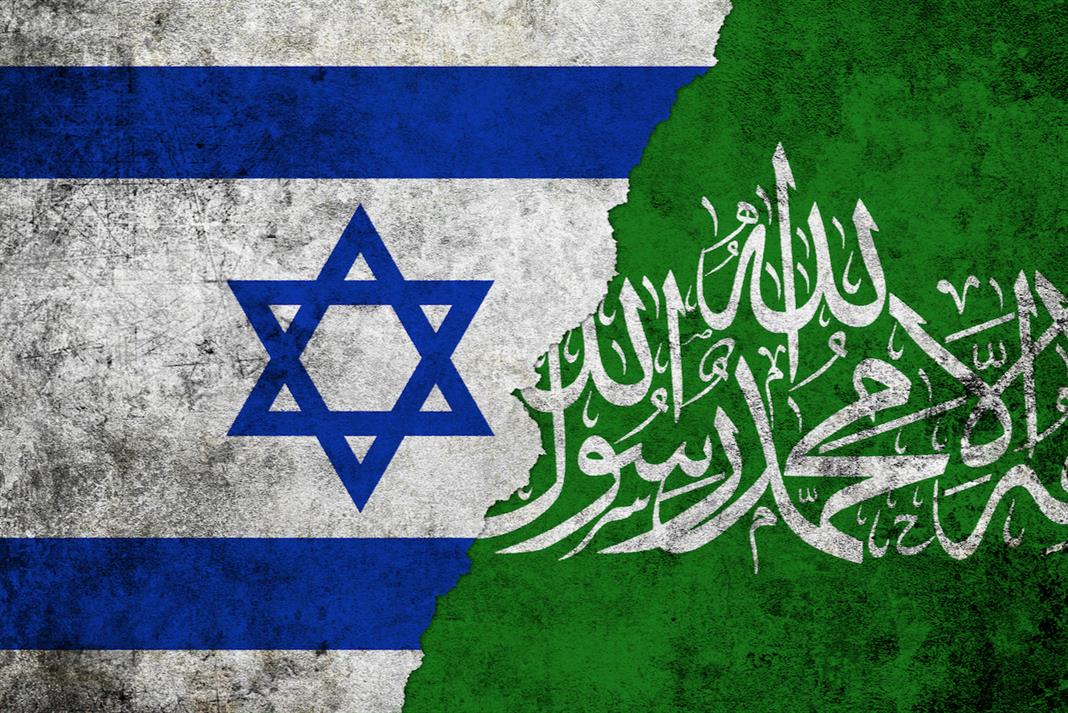
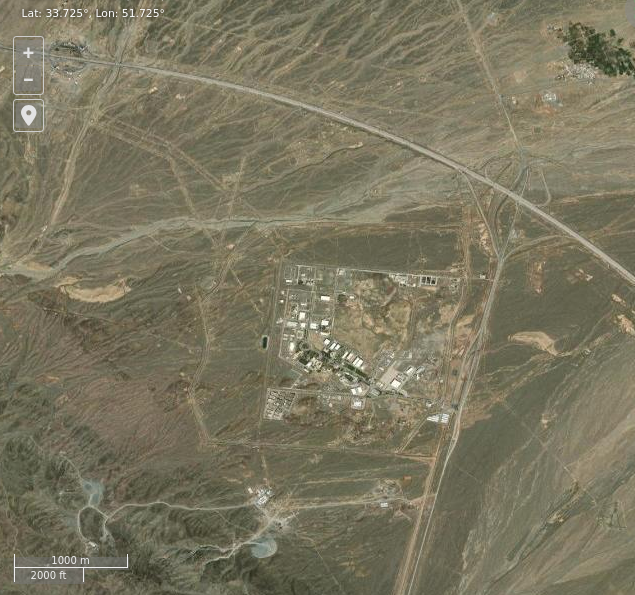
In early March 2026, the United States and Israel launched a joint operation against Iran’s remaining nuclear, missile, and command infrastructure. The Israeli operation has been publicly referred to as Operation Roaring Lion (Institute for National Security Studies (INSS) war data, March 1, 2026); the U.S. operation has been publicly referred to as Operation Epic Fury. Both designations are still in early use and may be revised in the official record.
Iranian retaliation extended across the region. Iran struck U.S. military communications infrastructure in the Middle East (NYT, March 3, 2026). Hezbollah engaged (Reuters live coverage, March 2, 2026). A British Royal Air Force base in Cyprus was hit. NATO shot down at least one Iranian ballistic missile that was inbound toward Turkey (Bloomberg, March 4, 2026).
Israeli and U.S. operations continued through the month. By late March, the central command structure of the IRGC and its proxy network had been substantially degraded, according to news reports, with the killing of senior Iranian leadership during the operation (WSJ, March 4, 2026; NYT, March 24, 2026).
The CSA Primer Series
CSA published two open source primers during the cycle.
100 Hours of War, Iran Primer (March 4, 2026). Released roughly four days into the operation, the 100-Hours Primer covered the opening phase: the U.S. and Israeli target sets, the Iranian response across the proxy network, the early U.S. force-posture decisions, the energy and maritime picture, and the initial regional reactions from Gulf, Turkish, Russian, and European actors.
1-Month of War, Iran Primer (March 26, 2026). Released three weeks later, the 1-Month Primer extended the chronology across the first month and added the cumulative regional architecture left by the operation: the state of Iran’s nuclear program, the standing of the IRGC and Quds Force after senior leadership losses, the post-strike posture of Hezbollah, the Houthi maritime campaign, the Iraqi militia file, and the early indications on sanctions, reconstruction, and the post-conflict negotiation track.
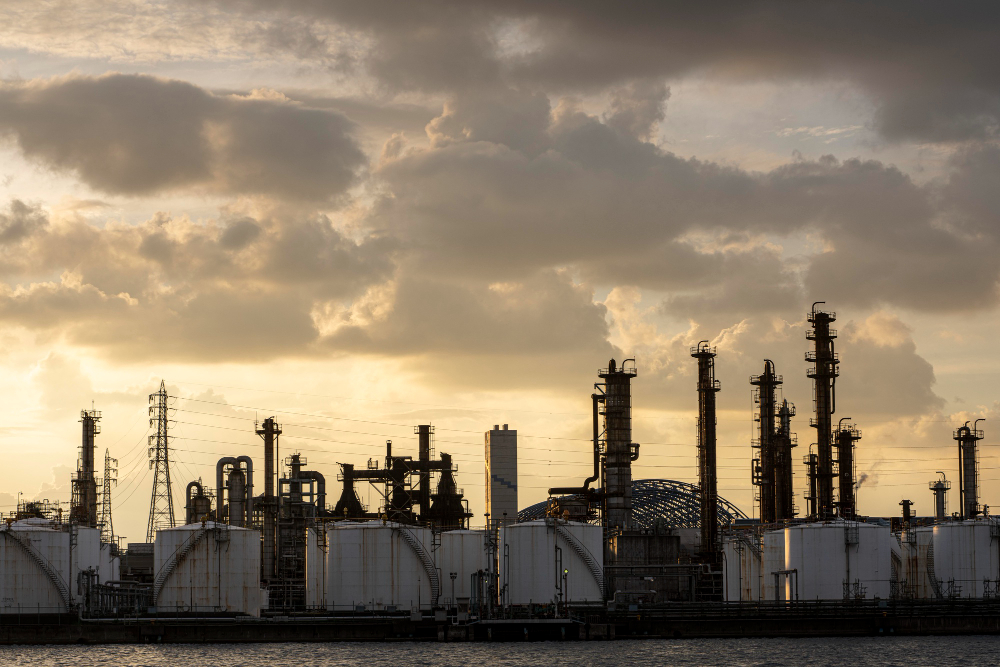
Both primers were structured around four reading layers: the operational sequence (day by day, U.S. and Israeli targets, Iranian responses), the proxy network (Hezbollah, the Houthis, the Iraqi militias, IRGC and Quds Force coordination), the regional reactions (Gulf states, Turkey, Russia, China, the European response, NATO involvement), and the energy and maritime picture (Hormuz traffic, Brent pricing, the European LNG balance, U.S. domestic production posture, Iranian crude exports, and the impact on Iranian protests over the rial in late 2025).
Sources came from Israeli, Iranian, Gulf, Turkish, U.S., and European press, plus the official statements of the Israel Defense Forces (IDF), the IRGC, U.S. Central Command and the State Department, NATO, and the Israeli, Iranian, and Saudi foreign ministries. Analytical inputs included the Institute for the Study of War, the Washington Institute, Jewish Institute for National Security of America (JINSA), and INSS war data.
What the Cycle Confirmed
The 2026 cycle confirmed the analytical line CSA had carried since the June 2025 12-Day War. Iran’s deterrent posture has limits the region was prepared to test. The U.S. position rested less on rhetoric than on the depth of domestic energy production, allied refining capacity, and Gulf intelligence cooperation. The Peace Through Prosperity doctrine treats this as load-bearing: domestic abundance makes sustained pressure credible without forcing the U.S. into the position of a price taker.
Open questions running into the rest of 2026: the durability of the new posture in Iran, the political situation inside the country after the loss of senior leadership, the future of the IRGC and Quds Force command structure, the post-Assad Syrian environment as a flanking variable, the reconstruction track for Lebanon, the sanctions regime, and the energy-market consequences once the immediate disruption passes.
The CSA 1-Month of War, Iran Primer (PDF, March 26, 2026) is available below. The intial100-Hours Primer is linked in the archive. The June 2025 Israel–Iran 12-Day War Primer is a separate publication.