
Findings
- The Assad regime collapsed in December 2024.
By the end of January 2025, the new Syrian situation had taken its initial shape. - HTS holds Damascus; the Syrian Democratic Forces (SDF) holds the northeast.
Turkey is active in the north; Israel is established on a buffer line in the south. - The Russian and Iranian positions were sharply reduced.
Moscow began drawing down from Hmeimim and Tartus; the Iranian land bridge to Hezbollah collapsed. - The primer was the first comprehensive briefing in the policy conversation.
Single document with the operational map, the political picture, and the open questions. - The open questions span sanctions, reconstruction, refugees, and U.S. force posture.
Including the future of al-Tanf and the U.S. presence east of the Euphrates.
Context
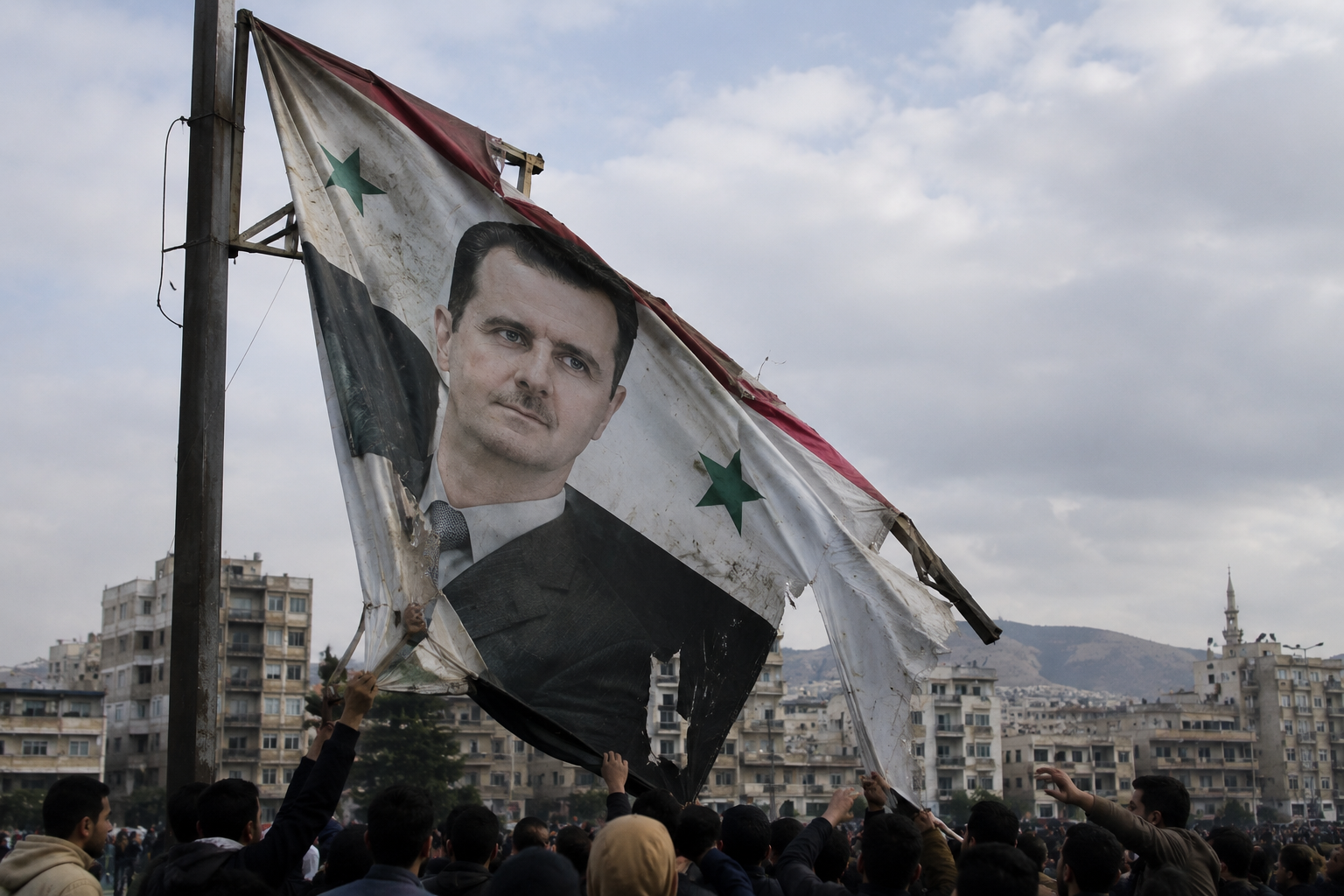
The Assad regime collapsed in December 2024 (NYT, Dec 8, 2024). By the end of January 2025, the new Syrian situation had taken its initial shape: HTS in Damascus, the SDF intact in the northeast, Turkey active in the north, Israel established on a buffer line in the south (NYT, Dec 8, 2024; NYT maps, Dec 19, 2024), and the Russian and Iranian positions sharply reduced (New Yorker, Dec 19, 2024).
CSA's January 2025 Syria Update was the first comprehensive structured briefing in the policy conversation, designed to give policymakers and stakeholders a single document with the operational map and geopolitical framework.
What the Update Covered
The update covered the fall sequence and the speed of the regime collapse (New Yorker, Dec 15, 2024), the political map across HTS-controlled Damascus and the SDF-controlled northeast, the Turkish position and the implications for the Kurdish file, the Israeli posture in the buffer zone and the strike record against weapons-transfer infrastructure (NYT, Dec 10, 2024; NYT, Dec 15, 2024), the Russian draw-down from Hmeimim and Tartus, the Iranian collapse on the Syrian land bridge to Hezbollah, the Hezbollah position after the September 2024 northern campaign, the energy-sector implications (Reuters, Dec 9, 2024), and the open questions on sanctions, reconstruction, refugee return, and the future of the U.S. presence at al-Tanf and east of the Euphrates.
Sources came from Syrian, Israeli, Turkish, Iranian, Russian, and Gulf press, plus the relevant official statements and the analytical work of the Atlantic Council, the Washington Institute, and the International Crisis Group. The historical backdrop drew on the CFR Syria backgrounder and the casualty record (NYT, Dec 11, 2024).
What Followed
The January 2025 update was followed by CSA's February 2026 Syria Public Opinion Survey, which surveyed Syrians on the new political situation and their views of the regional powers active on Syrian territory.
Independent analysis takes institutional support.
If this update was useful to you, please consider supporting CSA's ongoing regional research.
Support CSARead in full
The full primer — sourced and footnoted — is below.